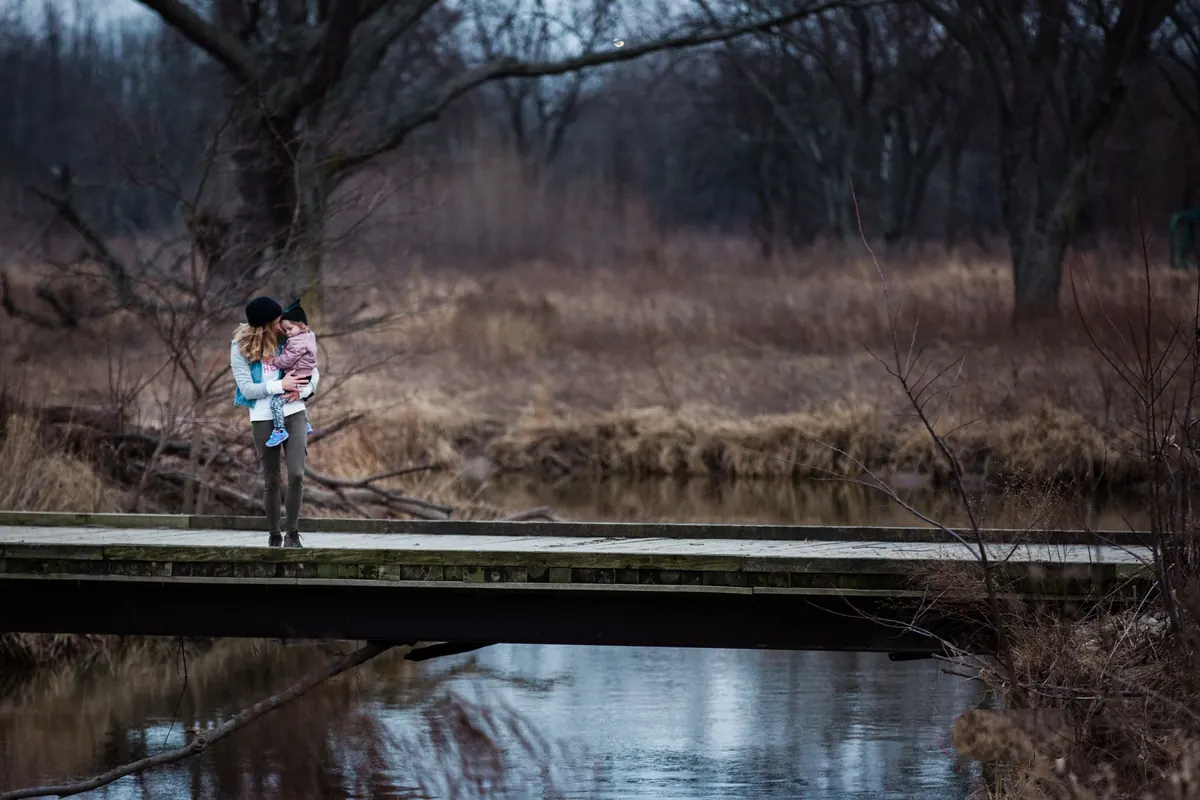
A river gives a walk a purpose. There is always a bend to reach, a swan to count, a stick to launch off a bridge. The Avon is unusually good for this, partly because there are several rivers of that name and partly because so much of their banks have been left open as meadow, park or old railway path. What follows are gentle, family-sized stretches where a buggy will mostly cope, a five-year-old will not lose interest, and there is somewhere to sit down with sandwiches.
What makes a good family riverside walk
Before naming places, it helps to know what you are looking for. A riverbank can be glorious and still be a miserable outing with small children if the path is narrow, the edge is unprotected and the nearest bench is a mile away.
- An early escape route. Half a mile out and back beats a four-mile loop with a tired child.
- A firm surface. Towpaths, old railway lines and park paths beat muddy field edges after rain.
- Something to aim for. A weir, a ferry, a tearoom, a bridge, a play area.
- Edge control. Fences, hedges or a wide grass margin between the path and the water.
- Facilities nearby. Toilets and a café turn a good walk into an easy day.
Stratford-upon-Avon: the riverside that has everything
Stratford is the obvious starting point, and it earns that. The Bancroft Gardens beside the Royal Shakespeare Theatre give you swans, narrowboats, ice cream and a broad paved edge, all within a few minutes of the town centre. From there, the path runs along the water past the recreation ground and away from the crowds towards Alveston, where the noise drops and the herons take over.
For young children, the loop around the gardens and the theatre is enough. For older ones, push on upstream and pick a bench with a view of the weir. If the riverbank is busy or muddy, the Stratford Greenway, which follows the old railway line out of town, is a flat, dry alternative with the same starting point.
Bath and the Bristol Avon: city water and country paths
In Bath, the river runs right through the middle. Start at Pulteney Bridge, where the weir makes a noise children love, then follow the water towards the canal at Bath Locks. The towpath out to Bathampton is flat, shaded in places and pleasantly unhurried, with boats to look at and a pub garden at the far end for anyone who has earned it.
Further west, the Bristol and Bath Railway Path shadows the Avon through the valley near Saltford and Kelston, giving you a traffic-free route with the river appearing and disappearing alongside. Bradford-on-Avon is another good bet: the walk by the tithe barn and the old bridge is short, pretty and easy to combine with a picnic. Be aware that the Avon grows tidal as you get closer to Bristol, so mudbanks appear and the water rises quickly. Check tide times before walking the lower stretches.
The Hampshire Avon at Salisbury: water meadows and cathedral views
The Town Path from Salisbury out to Harnham is one of the loveliest short walks in southern England. You cross the water meadows on a raised causeway, the cathedral sits behind you and then in front of you, and cattle often graze either side. It is flat, it is barely a mile each way, and there is a pub at the far end. The meadows flood in winter, which is part of their charm but also a reason to check conditions before setting out.
If you want more, Fordingbridge and the stretches around it offer quieter banks and shallow, clear water where you can see fish moving. Near Christchurch the river becomes tidal and joins the sea, so treat that end with more caution and more tide-table checking.
Evesham, Pershore and Tewkesbury: quieter days on the Warwickshire Avon
Evesham's Abbey Park sits right on the river, with lawns, a playground and the hand-pulled Hampton Ferry, which takes passengers across the water in season. Children tend to remember the ferry long after they have forgotten the walk. From the park you can wander downstream on grass paths without ever being far from the town.
Pershore has a riverside meadow and a weir that makes a good destination for a short amble, with the abbey tower visible over the roofs. At Tewkesbury, the Avon meets the Severn beneath the abbey, and the walk out along the Ham gives you big skies, boats and a genuine sense of two rivers colliding. This is floodplain, so expect soft ground and check river levels after heavy rain.
Wildlife you can reasonably expect to see
You do not need luck or expensive binoculars. Swans, mallards, moorhens and coots are almost guaranteed, and grey herons stand motionless in the shallows looking as though they were placed there deliberately. Look for the flash of a kingfisher early in the morning on a quiet stretch, cormorants drying their wings on posts, and dragonflies and damselflies hovering over the water in high summer. At dusk, bats take over.
A good rule with children and wildlife: watch, do not chase, and leave the bread at home. Bread fouls the water and makes birds ill. If you must feed them, a little birdseed or defrosted peas is far kinder.
Packing, picnics and river safety
- Wellies or old trainers, plus a spare pair of socks in the bag. Both will be needed.
- Water, hats and sun cream in summer; layers and a waterproof the rest of the year.
- A blanket that does not mind damp grass, and a bag to take every bit of rubbish home.
- Plasters and a small first aid kit. Riverside paths attract nettles and brambles.
- A phone with a charged battery, and a note of where you parked.
River safety is mostly about habits. Keep small children on the inside of the path, away from the edge. Weirs and sluices look calm and are not; never let anyone paddle near one. If a child does end up in the water, the standard advice is to float on their back with feet downstream and shout for help rather than try to stand up in a current. Teach that line before you go, not after. Give swans with cygnets a wide berth, and keep dogs out of the water during nesting season.
Before you set off
Check the river level after heavy rain, particularly on the Avon's floodplain stretches around Tewkesbury, Pershore and Salisbury, where flood warnings are common in winter. Tide tables matter for the lower Bristol Avon and around Christchurch. Ferries, cafés and car parks are often seasonal, so a quick look at opening times saves a disappointing detour. And rivers are not swimming pools: unless you are at a designated, supervised spot, keep it to paddling at the edge or, better still, keep it dry.
Go early, go slowly, and let the river set the pace. The best family walks on the Avon are the short ones that end with wet boots, a decent sandwich and a child who wants to come back.
Photo: Josh Willink / Pexels